unearthing hidden stories


Historian and Consultant


Here is a list of my books and published projects including reviews and reader's feedback. For those currently on sale, there is a link to our order form.
As a successful author in the field of Western Australian history, I have a background in Oral history, Occupational Health/Medical history, Migrants and Western Australian Goldfields history.
Not all books are in print or available for purchase at this time. Prices do not include postage and packaging but in the order form, we show estimates for different regions. If you wish to place an order, please fill in our order form.

Published: 2021 by Dr Criena Fitzgerald Size: 210 x 236 mm Description: French fold cover, laminated, faux end papers, 352 pages, section sewn, 300 colour illustrations, index ISBN: 978-0-6450230-2 2

Published: 2018 by Dr Criena Fitzgerald Size: 170 x 240 mm Description: 204 pages, 148 b&w and colour illustrations, index matt laminated cover, ISBN: 978-0-6483603-5-3
Published: 2016 by Hesperian Press Size: 170 x 240 mm Description: section sewn, 252 pages, 75 illustrations, bibliography, endnotes ISBN: 978-0-855905-635-9

Published: 2012 by Australian Women's Archives Project Description: Website project, Criena Fitzgerald and the National Foundation for Australian Women, 2012

Published: 2011 by Western Australian Museum Size: 165 x 240 mm Description: Paper back, 464 pages ISBN: 9781920843687

Published: 2006 by University of Western Australia Press Size: 170 x 240 mm Description: Flexi-bound paperback, 264 pages, 22 b&w illustrations, index ISBN: 9781920694784
Published: 2005 by University of Western Australia Press Size: 140 x 220 mm Description: 218 pages, Hard cover, dust jacket, Bibliography, Index ISBN: ISBN 1 920694 59 5
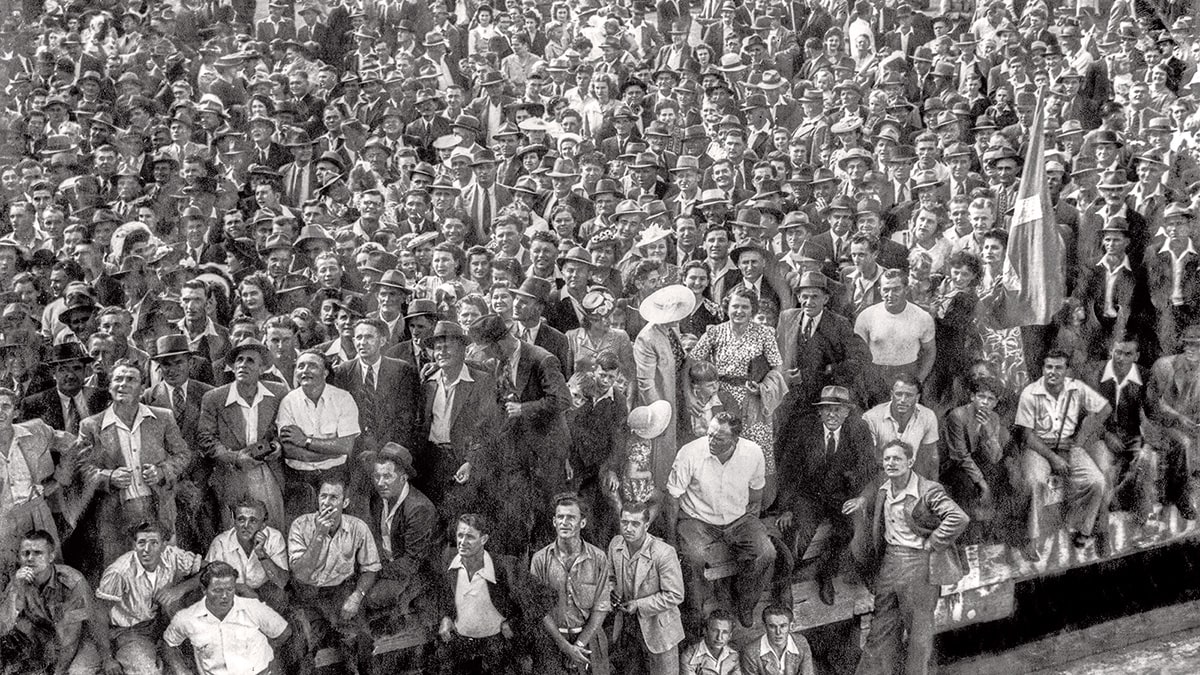
Alma Smith remembers being afraid during the Kalgoorlie riots.
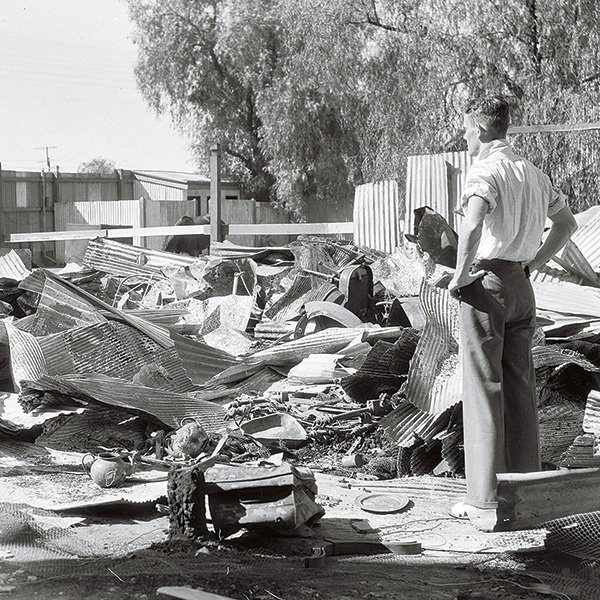
Anne remembers the night her house was burnt down.
Mick Pavlovich, recalls his mother running a boarding house at Lancefield after her house was burnt down in the 1934 Kalgoorlie riots. He also talks of her literacy.
Mick Pavlovich talking about his mother selling sly grog in Gwalia.
As so many of us are migrants or the descendants of migrants to Australia—no matter our forefathers’ origins—there can be no better way of appreciating our present circumstances than to read of the travails experienced by those who came before us. What they achieved has largely raised us to where we are now.
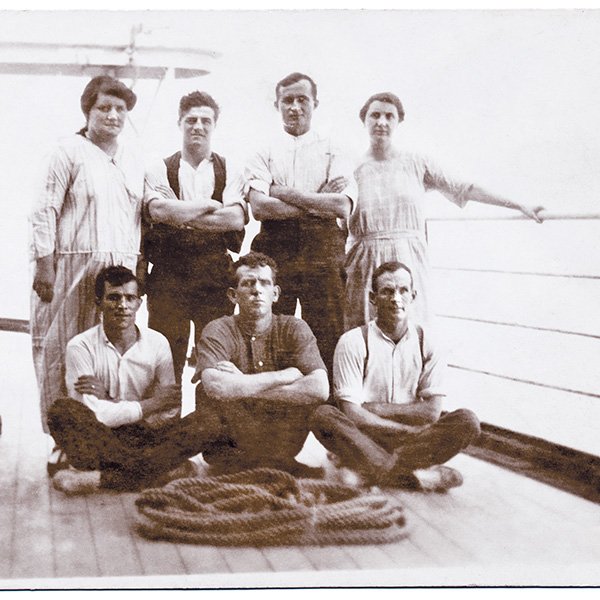
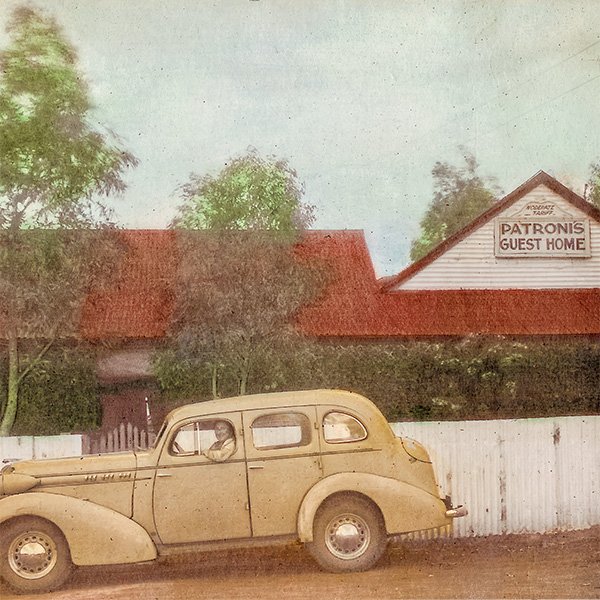
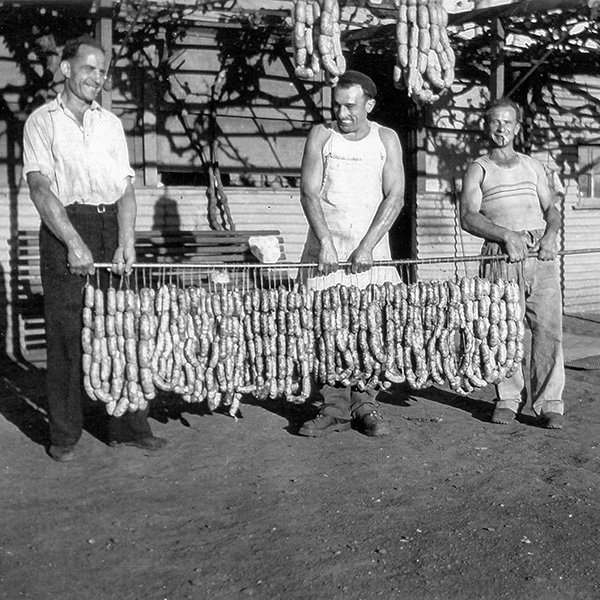
For a Better Life is an in-depth history of the experiences of Yugoslavs on the Western Australian goldfields.
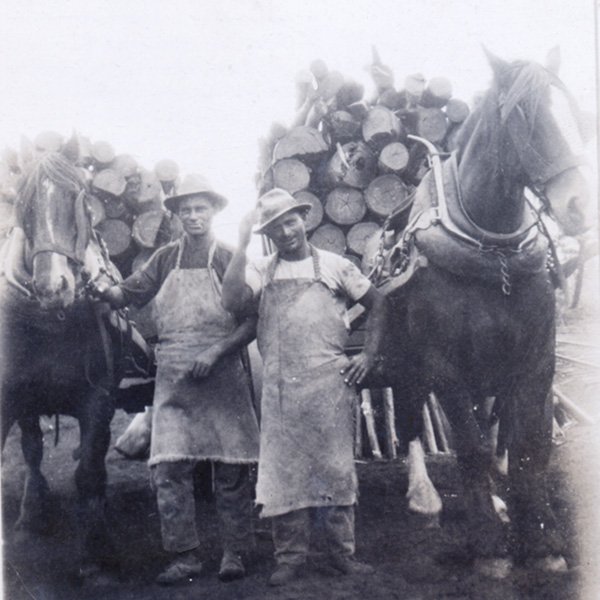
From the 1890s these self-funded migrants helped shape the economically important gold mining industry, working as boggers, truckers and machine miners as well as cutting wood for the industry on the woodlines. The lives of migrant women are also vividly brought to life through their letters and oral testimonies. The book tells the story about their migration journeys and government controls on their work and freedom in Western Australia.
These migration stories brought vibrations of a distant European world and what Western Australia made of them and their ‘foreign baggage’ is central to the story, as also is the fate of the immigrants themselves.
This is the first history to examine the race riots of 1934 from the view of an affected migrant community, and the work offers an intimate and frightening glimpse into the shattering effects of the looting and burning of the homes of those migrants. For those who trace their origins to the geographical region once patched together under the descriptive entity of ‘Yugoslavia’, Dr Fitzgerald has developed a treasure trove of history made up of ordinary people and their stories interwoven with world events but particularly with notions and prejudices that make their success and contribution to Western Australian society all the more remarkable.
For others who do not share this ancestry the writing is just as poignant and relevant for there have been few, if indeed any, instances of immediate acceptance shown by those who staked prior claims to citizenship of this country.
Immigration is a universal theme. All over the world people have left home searching for a better life. It is still happening. Everyone should read this book. It is news, it is shocking, it is sensational and it gives hope because, eventually, the families did achieve a better life.
Slavenka Misa – Secretary, Dalmatian Archive and Museum, Dalmatian Cultural Society, Auckland, New Zealand
…from the author in the Preface of For a Better Life
While understanding the recent political and social changes in the former Yugoslavia, the term Slavs or Yugoslavs will be used throughout the text to refer to migrants from Croatia, Serbia, Montenegro, Bosnia Herzegovina, Dalmatia. Historically, it also commonly covered Bulgarians.
In her book A History of Yugoslavia, published in 2019, Marie-Janine Calic states in her introduction that she uses the term “Yugoslavs”, namely to refer to citizens with no mention of their ethnic affiliation’ to ‘… facilitate readability’. She writes (and I would concur) that ‘Terminology, in this context, is a real minefield’. Like Calic I have specified nationality where it was relevant, mainly in the chapter on World War I internment when only Croatians were interned. Then again, they were also referred to as ‘Austrians’. Notions of nations, nationalities and ethnic groups ‘… have changed over time’, and as Calic writes ‘… they have been and still are a matter of political disputes.’
Yugoslav or Jugoslav or Slav were terms used widely by the community from WWI and by the Australian government to refer to migrants from this region and these are common to all the primary sources. The term Yugoslav allows the historian to include all migrants to the goldfields from this region and acknowledges the historical reality of the period.
Despite use of the epithet ‘Yugoslav’, individuals referred to themselves as Dalmatian, Dalmatian Slavs, Slavs, Yugoslavs, Croatians, Serbians, Montenegrins and Bulgarians. The majority of these migrants to Western Australia were Croatian, but Croatia only became a recognised separate state in 1991, and while many self-identified from particular areas, they were all regarded and regarded themselves as Yugoslavs (or Jugo Slavs) from WWI. Because of fluctuating borders and Italian colonial ambitions many were also sometimes deemed as ‘Italian’, especially those who came from the contested area of Trieste. They often spoke Italian and had Italian names, despite identifying as Yugoslavs.
Depending on the politics of the day, both groups were also referred to at times as ‘foreigners’, and ‘aliens’, particularly by those in Australia complaining about migrant labour or competition for work. It is acknowledged that Croatians made up the largest south-eastern European migrant community in Western Australia and ‘… Croatian is Western Australia’s second most widely spoken European community language’.
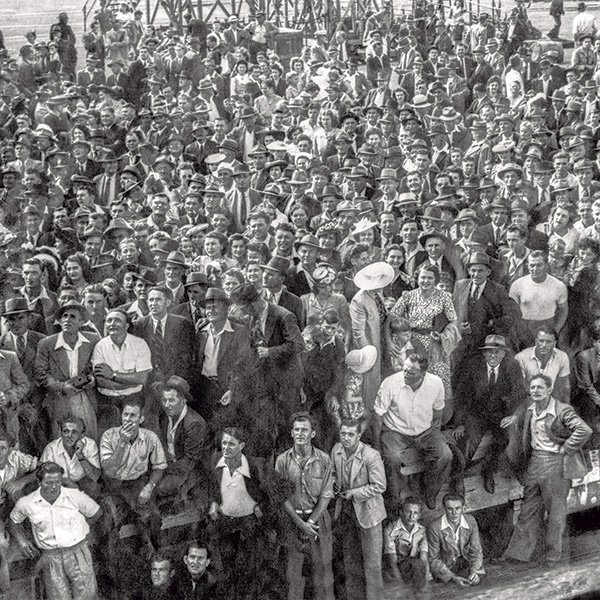
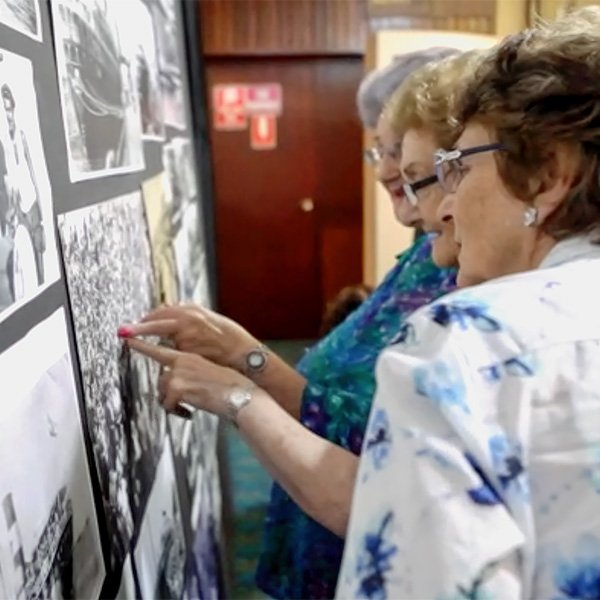
On the 17 Nov 2018, at the Spearwood Dalmatinac Sport and Community Club, Dr Criena Fitzgerald launched her book Shattered Ideals and Fractured Identities, complete with a replica boat, dancing and shots!
Shattered Ideals and Fractured Identities is the story of those Yugoslav West Australians who left behind their country of choice to help rebuild a war-torn Yugoslavia.
Imbued with a sense of national pride and an invigorated identity, they sought a new life for themselves and their children in Yugoslavia.
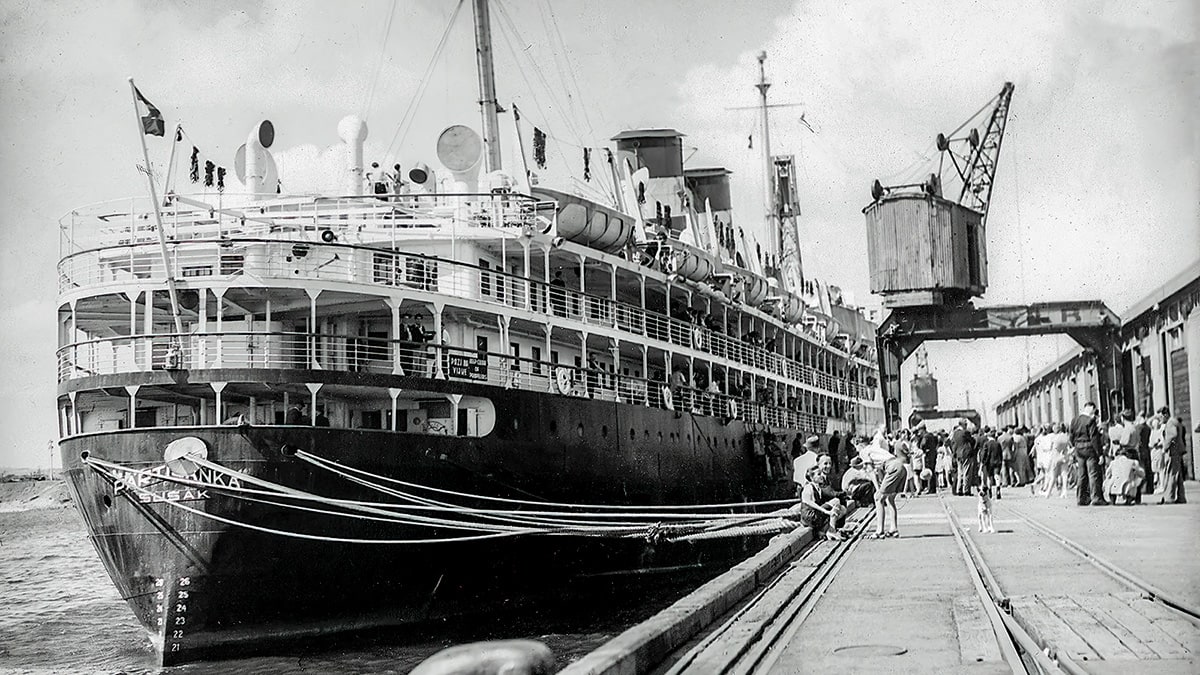
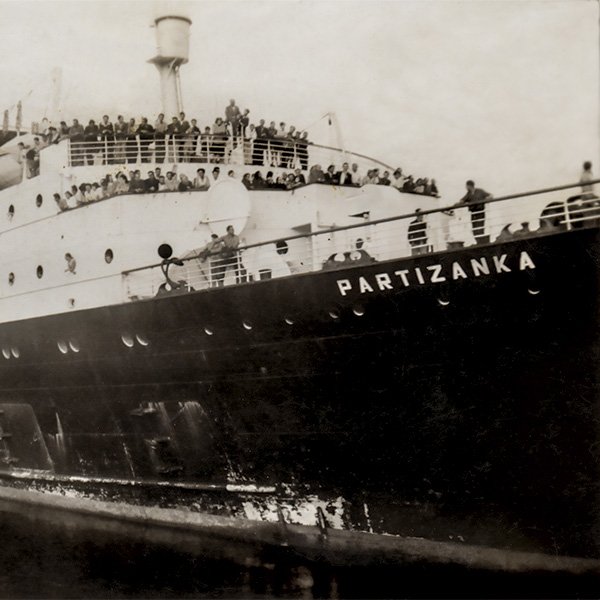
Told from the perspectives of these migrants, the narrative follows their selfless fund-raising for the fight against fascism, their voyage on two ships—the liner SS Partizanka and the cargo ship SS Radnik—and the social and economic realities confronting them in post-war Yugoslavia. This book documents their adaptation to an at once familiar and yet strange country, their work, home life and their disillusionment with the system they encountered.
They returned to Australia along with other post-war migrants, and resumed their lives economically poorer but culturally enriched by the experience. It is a unique story of group migration and re-migration.
As returned migrants they focused on resettlement and they and their children have continued to contribute to the social, economic and cultural fabric of Australia.

Margaret Medcalf Award 2017 for Excellence in Research and Referencing using the State Achives Collection.

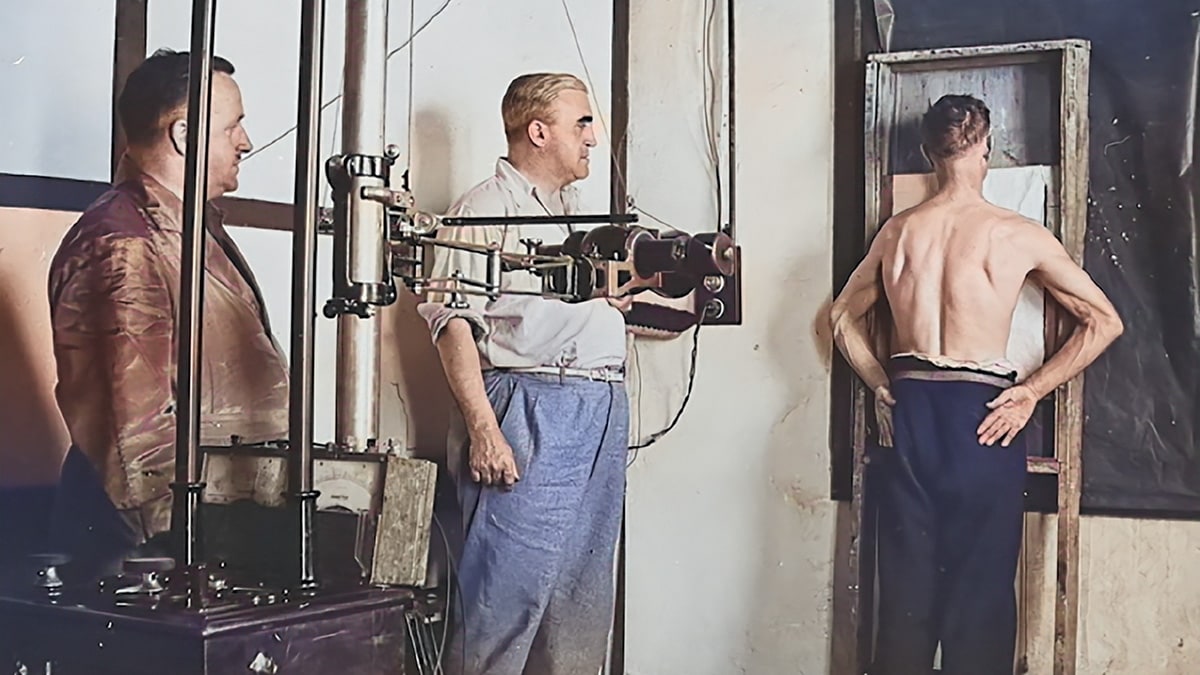
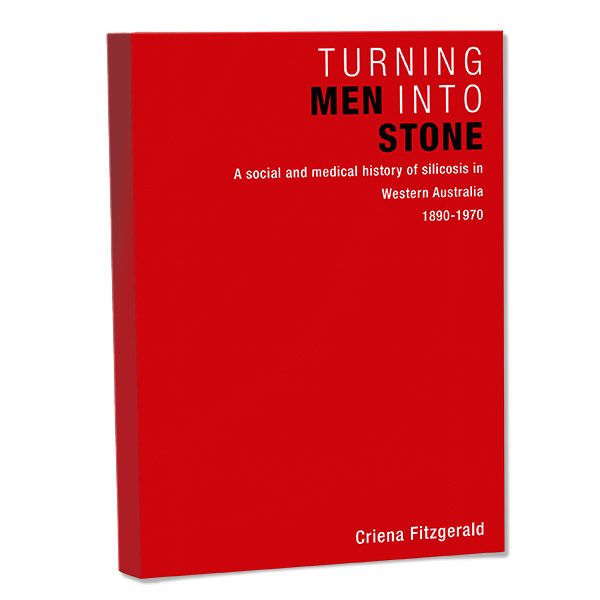
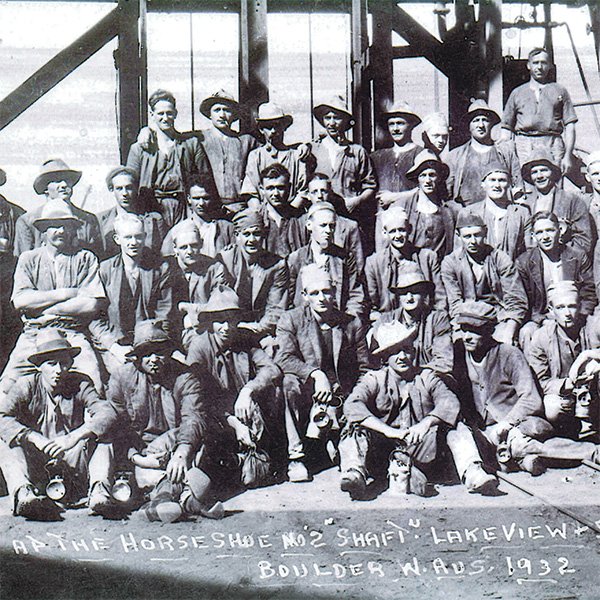
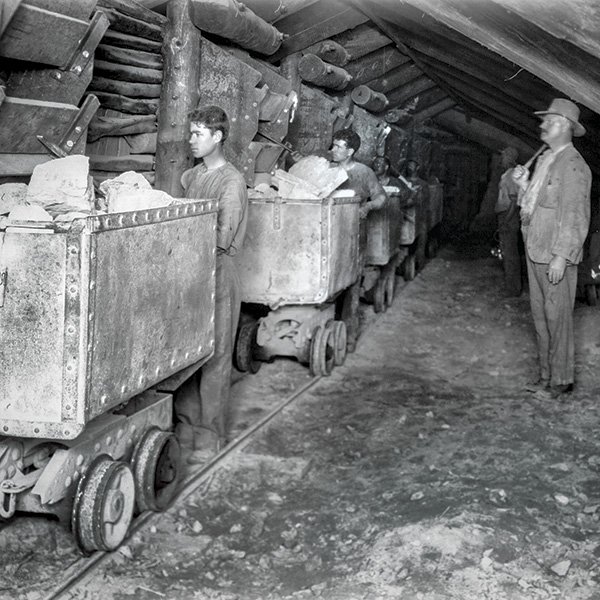
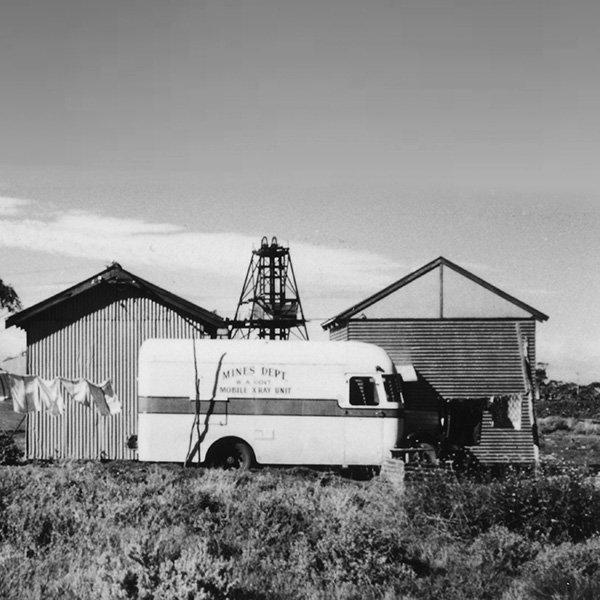
Silicosis was a major epidemic in the goldmining industry in WA in the twentieth century and this book highlights the misunderstandings about the disease.
In 1960, WA physician Dr Bob Elphick remarked to his colleagues that the mining industry was turning men into stone.
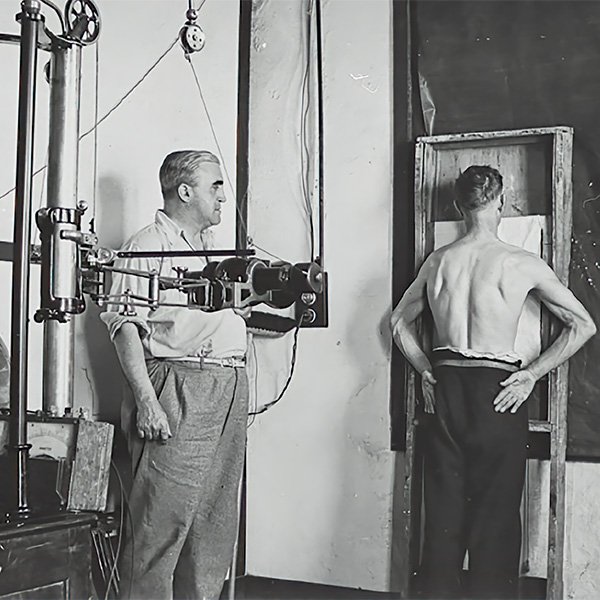
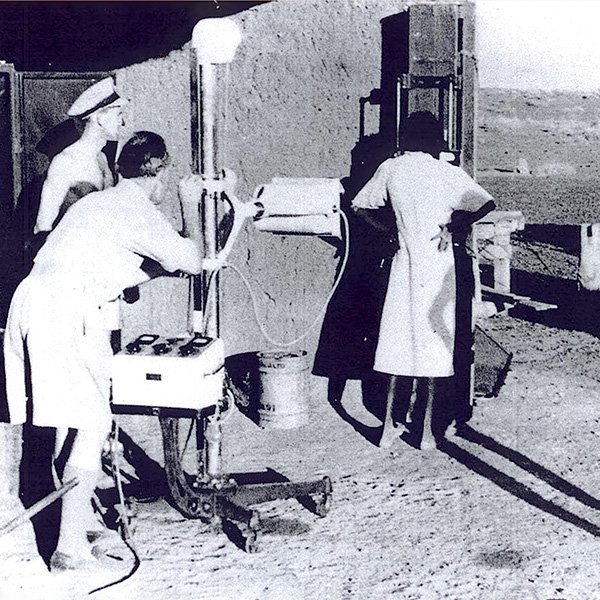
This evocative image aptly described the end-stage pathophysiological changes that occurred in the lungs of the state’s goldminers after exposure to silica dust. Until 1926 in WA, when X-ray technology became readily available and financially viable, diagnosis of dust disease in miners was fraught, flawed and at best an educated medical guess.
Medical men and miners believed that their ill health was caused by a combination of infection from tuberculosis and exposure to dust, but it was tuberculosis rather than silicosis that became the focus of preventative and ‘curative’ measures. Silicosis damaged a man’s lungs, but in the first ten years of the twentieth century, he would usually die of tuberculosis.
Turning Men Into Stone examines physicians’ and miners’ understandings of disease in miners and the response of government, unions and public health officials to the rise of morbidity and mortality in the mining workforce.
Carol Douglas: Mining as a great industry for women.
Carmel Galvin discussing an influx of Asian brothels after the lifting of containment.
Carmel Galvin discussing the monitoring of girls by police, skimpy barmaids, the benefits of brothels and the history of brothels in Kalgoorlie.
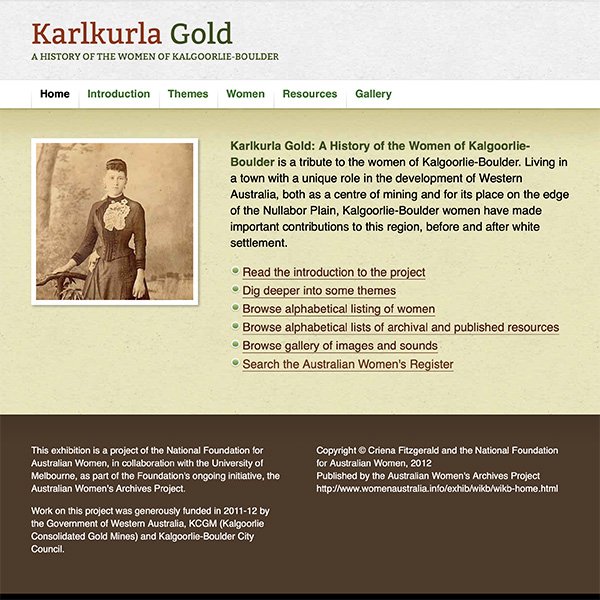
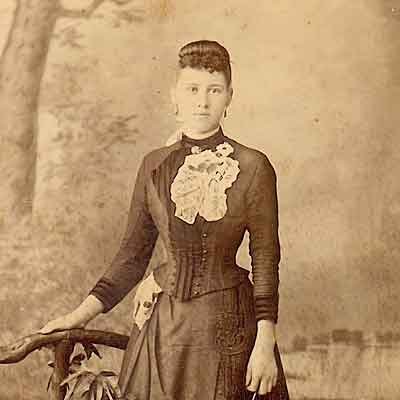
Karlkurla Gold: A History of the Women of Kalgoorlie-Boulder is a tribute to the women of Kalgoorlie-Boulder.
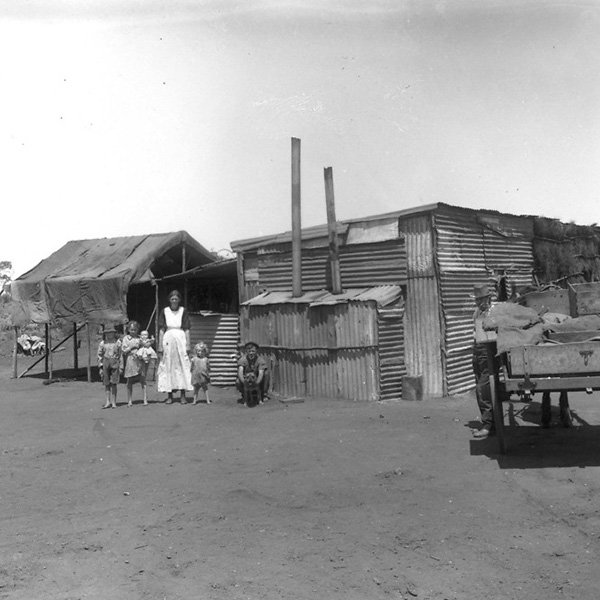
Living in a town with a unique role in the development of Western Australia, both as a centre of mining and for its place on the edge of the Nullabor Plain, Kalgoorlie-Boulder women have made important contributions to this region, before and after white settlement.
This exhibition is a project of the National Foundation for Australian Women, in collaboration with the University of Melbourne, as part of the Foundation's ongoing initiative, the Australian Women's Archives Project.
The website examines several themes:
for the WA Premier’s Award for WA history 2013.
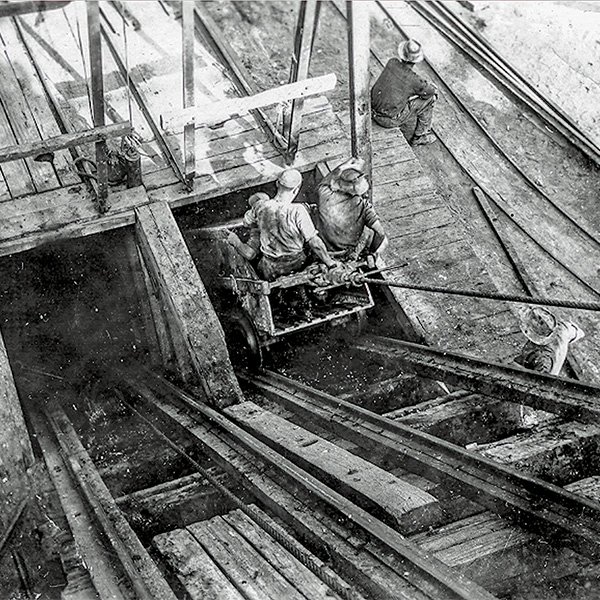
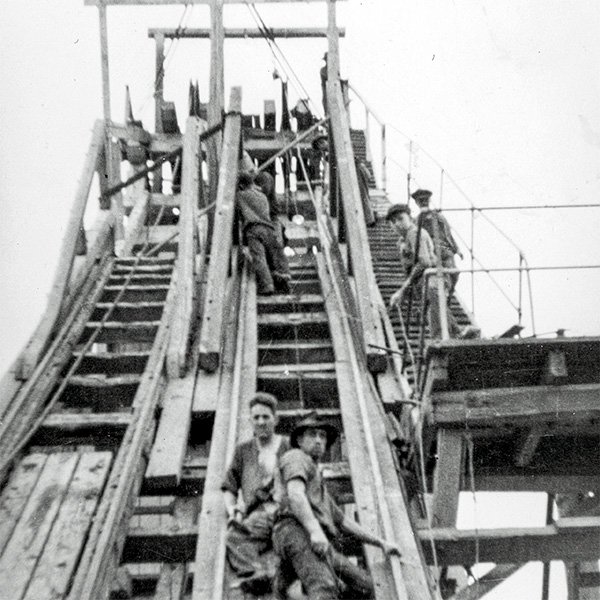
Harry Moore remembers his first ride down into the mine in a skip.
Dan Mackinnon, owner of Pinnacles Station, talking about mustering.
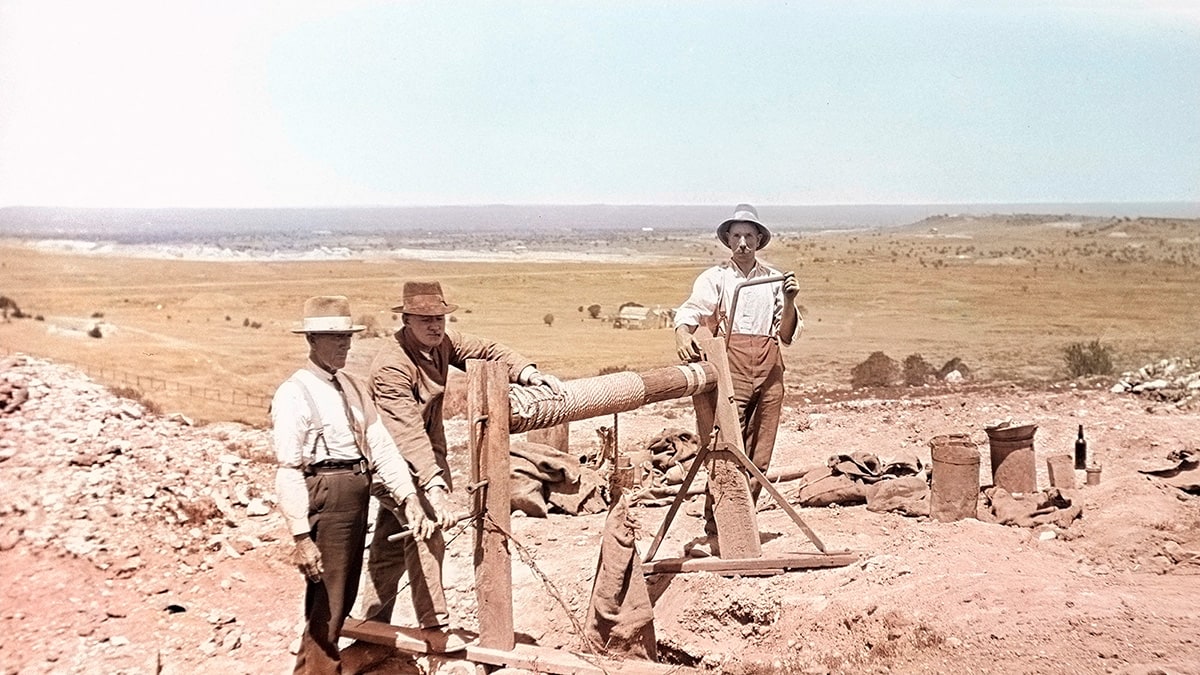
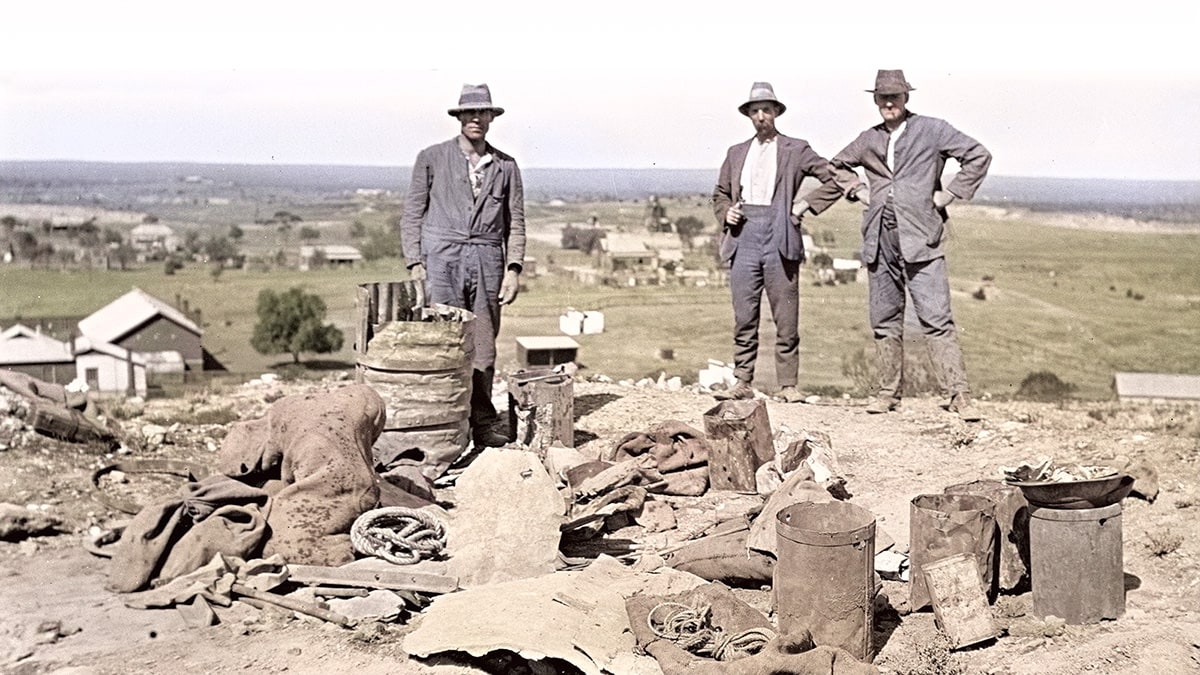
110° in the Waterbag is the first history of the richest and most sustained area of goldmining in Western Australia outside the Golden Mile. Illuminated by fascinating life stories, it explores work, life and leisure in Leonora, Gwalia and the Northern Goldfields.
It is a history of mineral riches and the people who came to mine them, prospectors, mineworkers and mining companies, migrants and their families, Aboriginal inhabitants, pastoralists and townspeople, woodcutters and Afghan traders.
The history is a microcosm of the larger goldfields story – a rich and intense tapestry of life in Western Australia over more than a century.
If only more Australian history was written like this. Anyone who has ever had to deal with local history will know that it is too often amateurish and the product of retired enthusiasts. This is what the result can look like when professionals and government money bend their talents to a work subtitled "Life, work and leisure in Leonora, Gwalia and the Northern Goldfields".
The editors are academic historians; the book's nine contributors are academics or have doctorates in history; the publisher is the Western Australian Museum; and the industry partners include the Australian Government Research Council, the State Library of Western Australia and the University of Western Australia.
The richly illustrated and beautifully written book has everything you ever wanted to know about the desert. gold rush towns and settlements north of Kalgoorlie-Coolgardie. The region's Aboriginal and pastoral history are analysed.
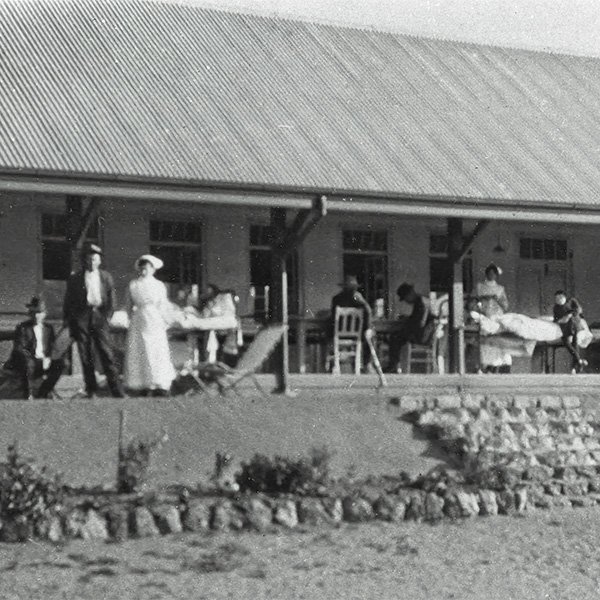
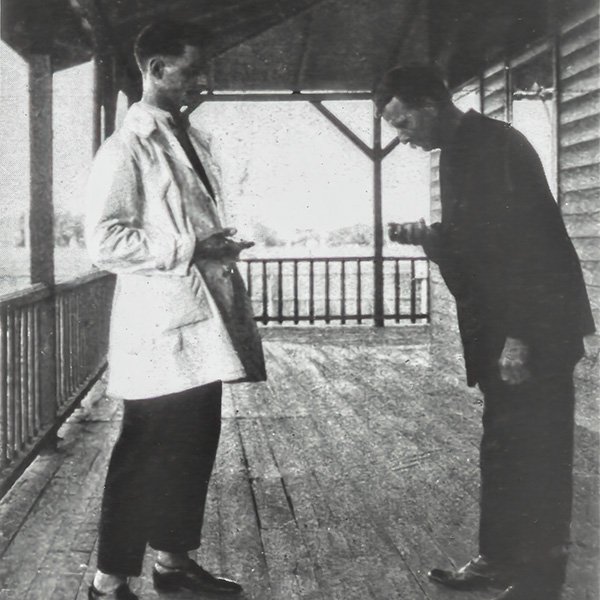
'Kissing can be dangerous': how old advice for TB seems strangely familiar today.
Updated by Criena Ftizgerald on SBS in June 2020,
‘It was like a leper’s disease’ was the response of an ex-tuberculosis sufferer when asked to describe his experience of having tuberculosis and the public’s reaction to his illness.
In the first half of the twentieth century in Western Australia, the social consequences of tuberculosis were almost as confronting as the disease itself.
Tuberculosis not only caused physiological changes that were often fatal, but affected relationships with everyone: family, friends, colleagues and the entire community. Until the advent of chemotherapy in 1947, people with the disease were advised to adopt a way of living that would protect those with whom they came in contact.
Public health practitioners saw prevention through practising bodily self-control as the only acceptable, and available, weapon against tuberculosis. Kissing and close contact with a person infected with tuberculosis were absolutely forbidden.
Using the oral histories of patients and doctors, as well as archival research, Kissing is Dangerous reveals the way in which social and cultural perceptions of tuberculosis—as well as the biological effects—shaped the experience of the tuberculosis sufferer, and the response of the Public Health Department to the disease. This history of tuberculosis in Western Australia begins with the understanding of tuberculosis as an infectious disease and examines the way in which public health physicians in the State ultimately managed to reframe the attitude of physicians and the public to the disease.
A fascinating history of an important subject… …very little has been written on the history of [tuberculosis] disease and health care in Western Australia. [This book] will be of interest to health professionals nationally and internationally.
Penelope Hetherington, Honorary Research Fellow, The University Of Western Australia
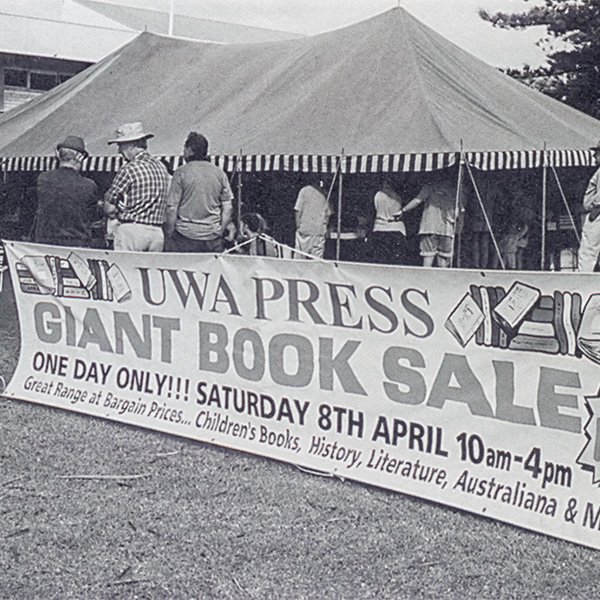
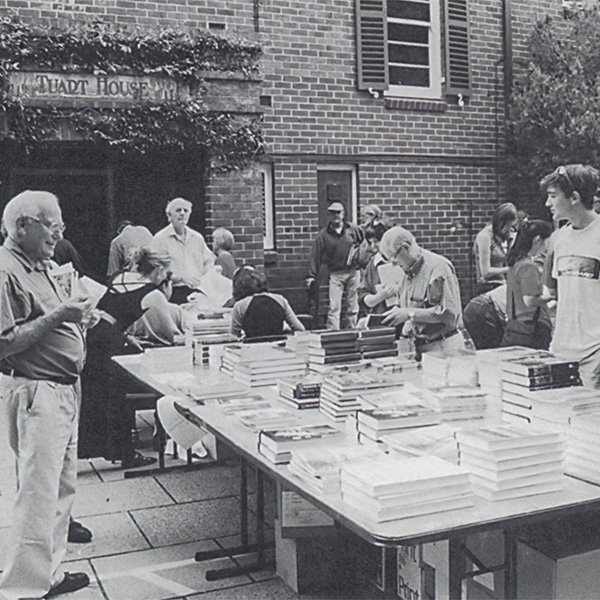
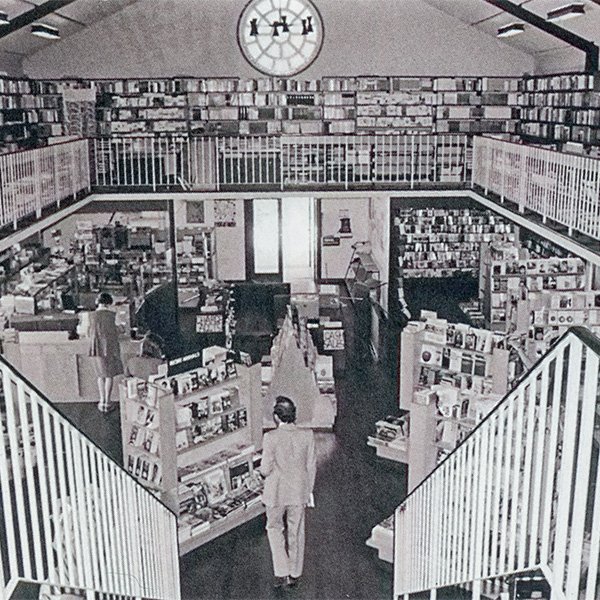
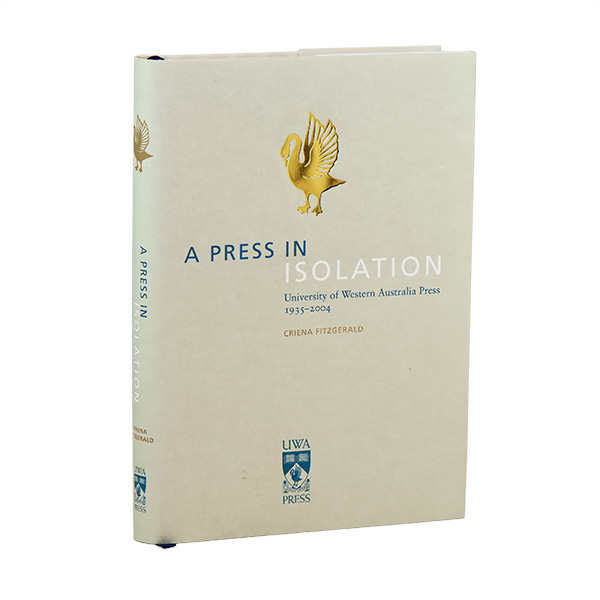
University of Western Australia Press holds an influential and respected place in the cultural life of the state. In the seventy years since its modest beginnings in 1935, it has published over 800 titles.
For thirty years the Press was predominantly a publisher of textbooks and lecture notes, with members of the university's Publications Committee editing manuscripts and reading proofs in their spare time.
Among its early publications were journals, of which Westerly and Studies in Western Australian History are proud survivors. Not until 1964 was there a full-time publisher.
Today the steadily growing list spans the fields of history, critical and literary studies, biography and natural history. In recent years it has extended to children's books and adult literary fiction. Many major national and international awards across the list attest to its sustained high quality.
But survival, let alone success, was never assured—as Criena Fitzgerald clearly documents. Indeed, for the Press to have reached its seventieth anniversary is a significant achievement. Any one of a series of difficulties encountered over the decades could have led to its closure-but each threat was narrowly averted by the passionate advocacy of key academics and the community at large.
A Press in Isolation is enhanced by essays from leading scholars in the various fields of specialty. They give depth and diversity of perspective to this finely layered commemorative history. A valuable catalogue lists all titles published between 1935 and 2004.
UWA Press's great achievement is to reflect Western Australians to themselves, and to bring the unique qualities of Western Australian natural and social environments to the wider world. Happily for its parent university and for the cultural life of Western Australia, the nation's most isolated academic press has survived a difficult past and confidently looks forward to a future of focused and vigorous publishing.