
unearthing hidden stories

Historian and Consultant


Welcome to my website. I am a published historian specialising and passionate about Western Australian history and recovering voices from the past.
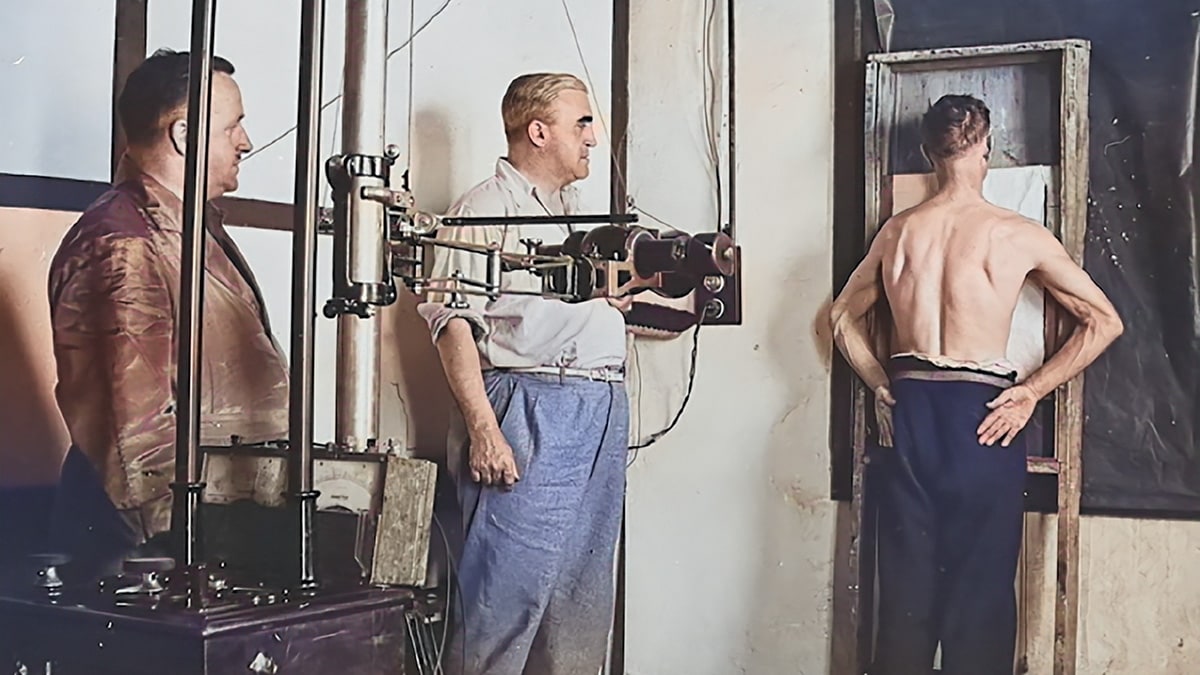
My initial interest was medical history because of my nursing background, and my work on tuberculosis led me to begin my long-time interest in the history of the WA goldfields because the first sanatorium was in Coolgardie. I have continued my interest in the history of the WA goldfields, working with Moya Sharpe on the virtual memorial for miners’ disease.
Silicosis which killed more WA miners than accidents was the subject of my third book.

As an oral historian I have worked for the National Library of Australia and the State Library of Western Australia, interviewing individuals from a wide range of backgrounds about their lives.
I have also worked interviewing for other historians, notably A. James Hammerton and Alistair Thomson’s book Ten Pound Poms:Australia’s Invisible Migrants.
My research and focus on goldfields history has meant that I have been fortunate to work on four television documentaries as a consultant historian.


I am a member of the Australian Mining History Association and presented a paper on Camels in the WA Mines Department at the 11th International Mining History Congress, Linares, Spain – September 2016.
I belong to the Australian and New Zealand Society for the History of Medicine and gave the keynote address to the 15th biennial conference in Melbourne in July 11–12, 2017.


The aim of the Australian and New Zealand Society of the History of Medicine is to promote the academic study of the history of health sciences within the Australia-Pacific region. The Society was founded in 1986 and is incorporated in Victoria. Membership of the society is open to anyone with an interest in the history of health and illness.
The Australasian Mining History Association (AMHA) was formed in 1995 to promote interest in our mining past. The Association studies all aspects of the history of mining in Australasia (Australia, New Zealand and Papua New Guinea).
AMHA members come from many backgrounds, both professional and non-professional. Anyone with an interest in any aspect of mining history is welcome to join. Among our members are laypersons, historians, students, heritage and environmental consultants, engineers, geologists, metallurgists, archaeologists, tourism managers etc. Their fields of interest include mining technology, archaeology, heritage and transport, as well as economic, environmental and social aspects of mining.
Oral History Western Australia (OHWA) is a volunteer-run, not-for-profit body which offers a range of services to its members including events, training opportunities and equipment hire. The organisation is a state member of Oral History Australia (OHA) and is dedicated to promoting the ethical practice of oral history, a research methodology widely used in academia, professional historian services, communities and the media.
The Professional Historians Association (WA) represents accredited historians who are commissioned to undertake a wide range of historical work.
PHA (WA) is a member of the Professional Historians Australia (PHA).
The Royal Western Australian Historical Society Inc. has had a pioneering role in the conservation and interpretation of Western Australia’s social history and supports recognition of Indigenous history and culture which predates and parallels the period of European history.
Find out more.
Outback Family History was founded in 2009 by Sandy Duncan and Moya Sharp. The aim was simple, to make the local and family history on the rich and diverse Eastern Goldfields of Western Australia available to everyone free of charge.
The upkeep of the site relies solely on sponsored advertising and donations. The use of the information is free to everyone for personal or research purposes.
Find out more.
Phil Bianchi is a Western Australian bush historian, four wheel driver and author. He has a passion for WA history, with the main areas of interest being the goldfields, outback, western deserts, explorers, prospectors, bushmen and drovers.
With more than 30 years of four wheel driving experience, Phil couples his interest in four wheel driving with bush history and searching out explorer sites and routes, old goldfield town sites and generally exploring the western deserts.


